
The Areni Cave, also known as the Bird Cave, is a unique archaeological complex
located near the village of Areni in the Vayots Dzor region of southern Armenia.
Situated at an altitude of approximately 1,080 meters above sea level, the cave contains several
cultural layers, including Eneolithic (Copper-Stone Age) settlements with mudbrick structures
dating back to 4200–3500 BC. The oldest layer belongs to the 6th–5th millennium BC,
while later layers date from the 12th–14th centuries.
Structure and Layout of Areni Cave
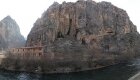
The cave consists of three main halls carved into the limestone formations of the Arpa River valley,
12 km from the town of Yeghegnadzor. The entrance is a narrow cleft in the limestone, accessible
via a 30–35 meter steep ascent from the highway. The total area of the cave ranges from 400
to over 600 square meters, with several compartments and galleries extending inward.
Inside, the ceilings feature dark hanging formations, and numerous corridors and passages
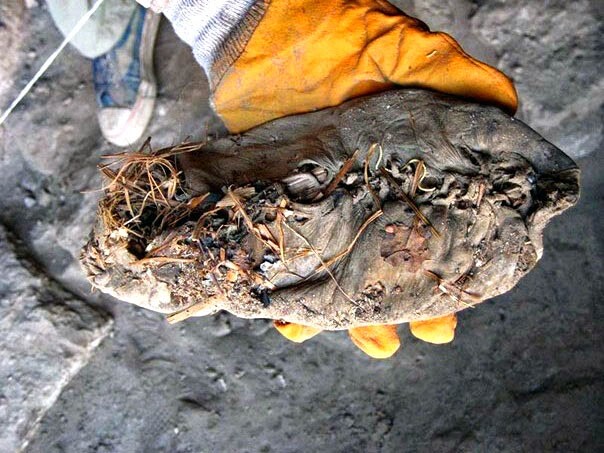
were partially used in ancient times. The cave is renowned for its extraordinary preservation
and historical significance.
Historical Importance of Areni Cave
In ancient times, Areni Cave was part of a significant settlement of Greater Armenia,
mentioned by the 5th-century historian Yeghishe as Arpana or Aponal. The site served as a
military and trade point connecting the Arpa Valley with the Sharur region of Vayots Dzor.
Artifacts found in the cave, including ceramics from four distinct types, indicate trade
relations with regions across the Middle East. Nearby hills in the Amaghu Gorge hosted
fortresses and castles, ruins of which are still visible today.
The cave was discovered by archaeologist Boris Gasparyan from the Institute of Archaeology
and Ethnography of NAS RA. Its alternative name, Bird Cave, comes from the numerous bird nests
found inside. Since 2007, Areni Cave has been explored by over a dozen archaeological teams
from nine countries.
Excavations and Discoveries
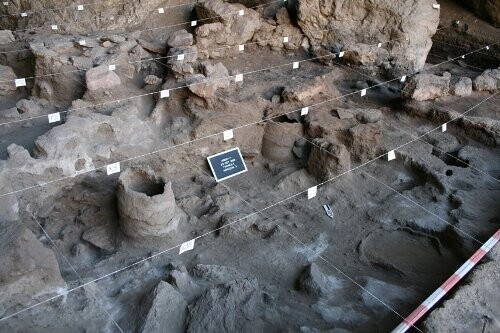
Archaeological excavations at Areni Cave, led by Boris Gasparyan (Armenia), Gregory Areshian (USA),
and Ron Pinhasi (Ireland), revealed at least five to six Eneolithic layers with a depth
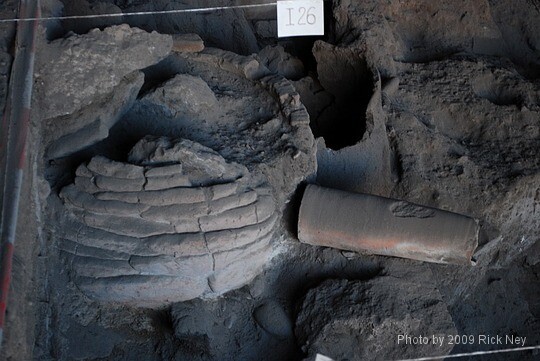
of over four meters (radiocarbon dating 4300–3500 BC). Excavations at the entrance uncovered
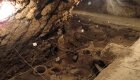
remains of dwellings, paved courtyards, and mudbrick structures, while storage areas at the back
contained vessels and circular earth structures used for industrial purposes.
Pottery discovered in the cave shows similarities with the early Kura-Araxes culture,
and techno-typological differences suggest two phases of production: early (4000–3700 BC)
and late (3600–3500 BC). These finds indicate that the roots of civilization in the territory
of modern Armenia may date back 800 years earlier than previously thought.
Interesting Facts about Areni Cave
Areni Cave gained worldwide attention after extensive excavations and media coverage,
including a special report by National Geographic on June 9, 2010. Tourism and
uncontrolled visits posed risks to fragile artifacts, leading to the decision to close
the cave entrance after archaeological work is completed.
The site remains one of the most important and fascinating archaeological discoveries in Armenia,
offering insights into ancient life, technology, and trade in the southern Caucasus region.


Sights of Armenia
- Airavank monastery
- Amberd Fortress
- Aragats volcano
- Ararat
- Arch Of Mount Ararat (Charents Arch)
- Areni winary
- Armenian alphabet
- Azat river gorge Symphony of stones
- Baghaberd Fortress
- Bird’s Cave(Areni 1)
- Caravanserai
- Cave town of Khndzoresk
- Dadivank Monastery
- Dilijan the little Switzerland of Armenia
- Drinking gallery Jermuk
- Eco Tourism
- Etchmiadzin
- Gandzasar monastery
- Gndevank monastery
- Goshanavank monastery
- grandparents of Artsakh
- Gyumri (Leninakan )
- Haghartsin monastery
- Haghpat monastery
- hot water zuar
- Jermuk waterfall
- Kari-Leach lake
- Katarot (Jdrduz)
- Khor Virap monastery
- Kobayr Monastery
- Mamrot Kar Waterfall
- Mimino
- Monastery Geghard
- Monastery Vahanavank
- Monastic complex Noravank
- Mount Khustup
- Museum House (Master Ashot Babayan)
- Noraduz — khachkars cementery
- Odzun Church
- Ovanavank monastery
- Sagmosavank monastery
- Sanahin monastery
- Sevan lake
- Sevanavank monastery
- Shaki waterfall
- Ski resort Tsaghkadzor
- Stepanakert
- Tatev monastery
- Temple of Zvartnots
- The bridge of Satan
- The Cathedral Of St. Of Christ The Saviour Ghazanchetsots
- The Garni pagan temple
- Thermal baths Ankavan
- Tnjri (Platan Chinar)
- Wings of Tatev
- Yell Extreme Park
- Yerevan Vernissage
- Zorac Karer